

Case study
SaaS Platform
Residential Complexes Management System
An Odoo-based platform for managing residential communities — handling resident communication, billing, visitor access control, maintenance requests, and community engagement in one integrated system.
At a glance
5 technologies · 4 outcomes captured below
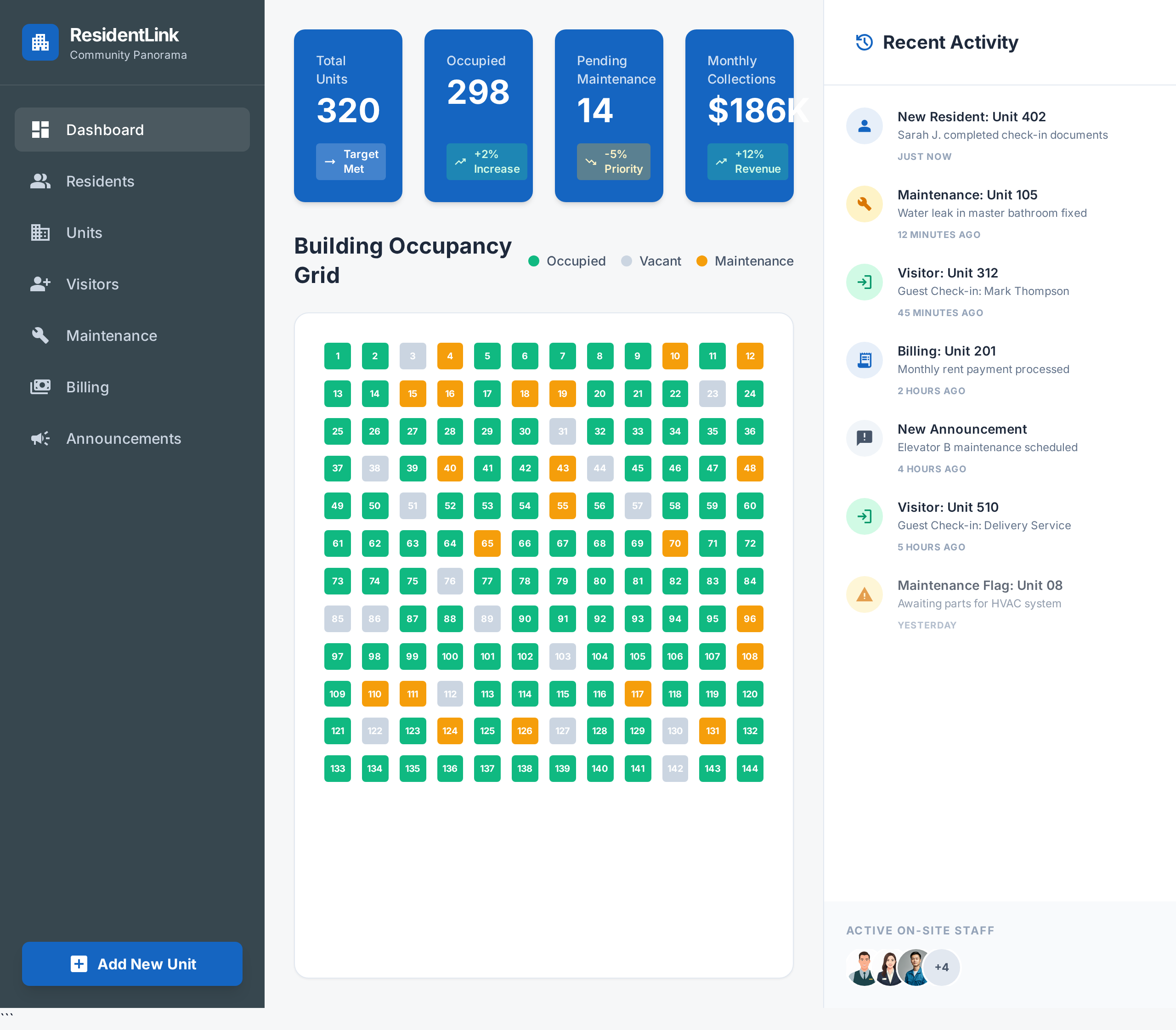
Case Study
SaaS Platform
Context
SaaS Platform
Focused product scope with measurable operational and user-facing outcomes.
Technologies Used
Problem Space
The Challenge
Residential complex managers relied on manual coordination for billing, visitor verification, maintenance tracking, and resident communication — creating security gaps at entry gates, delayed issue resolution, and a disconnected community experience.
Delivery Response
Our Solution
BrilliMinds built a custom Odoo-based residential management platform that centralizes resident billing, visitor pre-registration with security guard verification, maintenance request tracking, and community announcements — giving property managers and residents a single system to run and engage with their community.
Inside the Build
The product goals, delivery process, users, design direction, and outcome
This section walks through what the product needed to solve, how it was delivered, who it serves, and what changed after launch.
Goals
Residential complexes in Iraq operate with a mix of security concerns, administrative overhead, and the day-to-day challenge of keeping hundreds of residents informed and serviced. Property managers juggle billing, maintenance coordination, visitor authorization, and community communication — often through phone calls, paper logs, and informal channels that leave gaps in security and slow down issue resolution.
- Give residents a single platform to view bills, report issues, track maintenance requests, and stay informed about community updates — replacing scattered communication with structured, transparent workflows.
- Implement a visitor pre-registration and verification system that lets residents authorize visitors in advance and gives security guards reliable data to control compound access.
- Provide property managers with tools to manage billing, coordinate maintenance, publish announcements, and organize community events without manual tracking.
Process
- 01
Workflow analysis and module design
BrilliMinds worked with the client to map the operational flow of their residential complexes — from resident onboarding and unit assignment through recurring billing cycles, visitor entry procedures, maintenance requests, and community communication. Each workflow was translated into an Odoo module: resident management, billing, visitor access control, maintenance and service requests, and community updates. The visitor management module required particular attention — the flow from resident pre-registration (name, arrival time, vehicle details) through security guard verification at the gate needed to be fast and foolproof under real conditions.
- 02
Platform development
The Resident Management module stores unit assignments, contact details, and billing history, giving residents direct access to their account status and open issues. Billing automates recurring charges, tracks payments, and provides transparent statements so residents always know where they stand. Visitor Management lets residents register expected visitors with identifying details and vehicle information — security guards at the compound gate access a verification interface to confirm authorization before granting entry, with logs maintained for every access event. Maintenance and Service Requests provides a structured submission-to-resolution pipeline — residents describe the issue, management assigns and tracks the work, and status updates flow back to the requester. Community Updates gives property managers a broadcast channel for announcements, maintenance schedules, and event coordination.
- 03
Deployment and adaptation
The platform was configured for the specific layout and operational rules of the client's residential complexes — unit structures, billing cycles, guard shift patterns, and access control procedures. The system was designed to adapt to different complex configurations, so the same platform can serve communities of varying sizes and management styles. User training covered both the property management team and the security personnel who operate the visitor verification interface at entry points.
Product Users
Residents use the platform daily to check their billing status, submit maintenance requests, pre-register visitors, and read community announcements. The interface gives them transparency into what they owe, what issues are being addressed, and what events or maintenance schedules are coming up.
Property managers operate the administrative side — managing resident accounts, processing billing, reviewing and assigning maintenance requests, publishing announcements, and monitoring overall community operations. Security guards use the visitor verification module at compound entry points — checking incoming visitors against pre-registered records and logging every access event. The guard-facing interface is designed for speed and clarity so verification does not create bottlenecks at the gate.
Design Direction
The design was built around two principles: simplicity for residents and operational speed for staff. The resident-facing experience is clean and task-oriented — bills, requests, visitor registration, and announcements each have their own clear section with minimal navigation. Residents should be able to register a visitor or submit a maintenance request in under a minute.
The property management interface is denser, supporting bulk operations on billing, filterable views of open maintenance requests, and a content editor for community announcements. The security guard verification screen is the most stripped-down view in the system — designed for a single purpose: confirm or deny visitor access with clear visual indicators, readable on a tablet or desktop at the compound gate. Status colors, large text, and minimal interaction steps ensure guards can process visitors quickly without training overhead.
Outcome
The delivered platform gives the residential complex a unified system for managing every touchpoint between management, residents, and security. Billing is automated and transparent, maintenance requests follow a structured pipeline from report to resolution, visitors are pre-authorized and verified at the gate with logged access records, and community communication flows through a single managed channel. The system replaced informal, manual coordination with structured digital workflows — improving security at compound entry points, reducing administrative workload for property managers, and giving residents a direct, reliable way to interact with their community management.
Visual Support
Project Gallery
Supporting visuals for the delivery. Missing or invalid asset paths are filtered before rendering so only available mockups appear.
Measured impact
Results & Impact
Outcomes we track with clients—numbers where they matter, clarity everywhere else.
Centralized resident billing with transparent payment tracking
Pre-registered visitor verification system for compound security
Streamlined maintenance request pipeline from submission to resolution
Real-time community announcements and event coordination
Have a similar project?
Contact usMore Projects
View all projects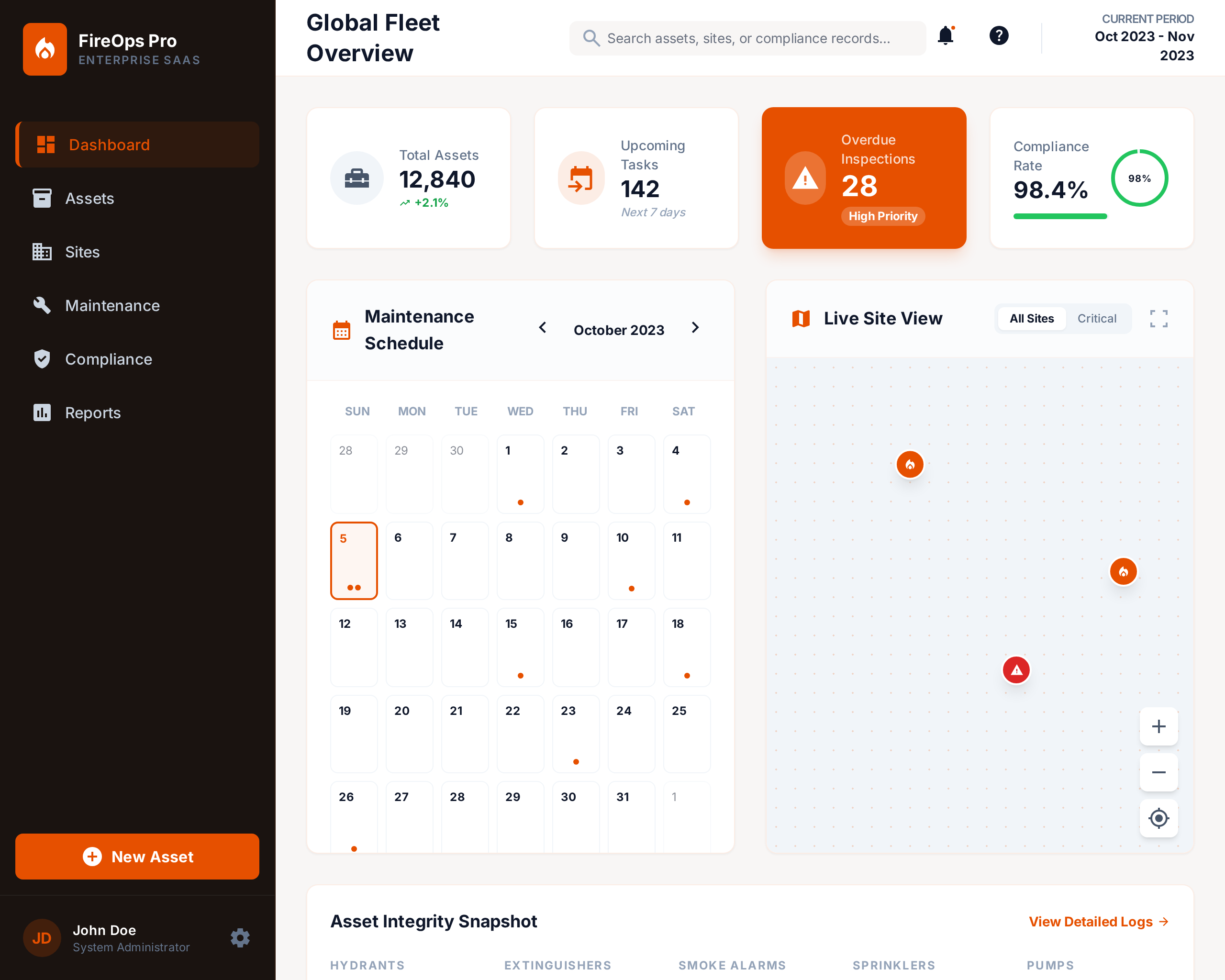
Fire Maintenance Management System
A comprehensive platform that helps fire maintenance companies organize operations, manage recurring orders, and track t...

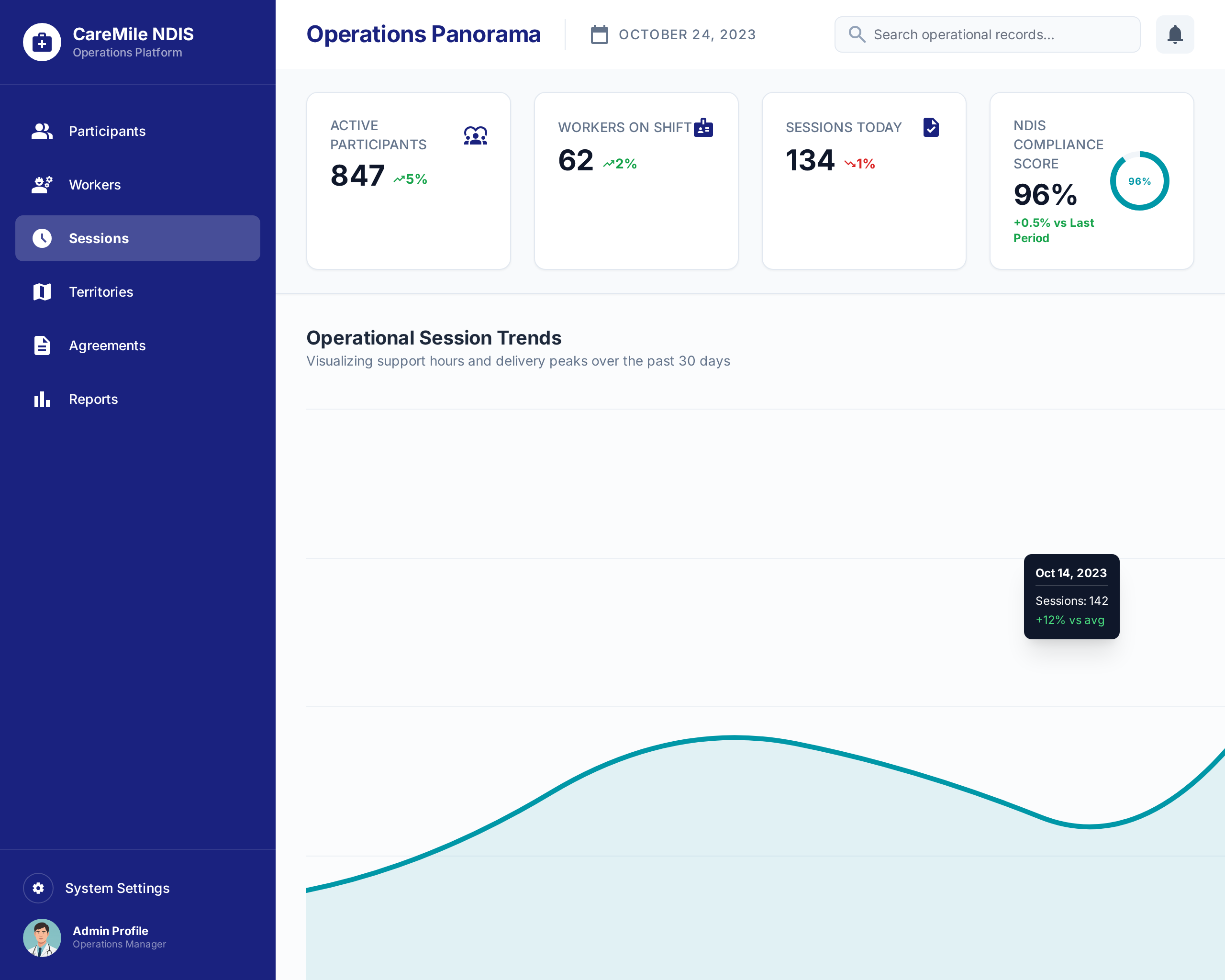
CareMile NDIS Operations Platform
A 42-module Odoo-based operations platform built for an Australian NDIS disability support provider to manage participan...
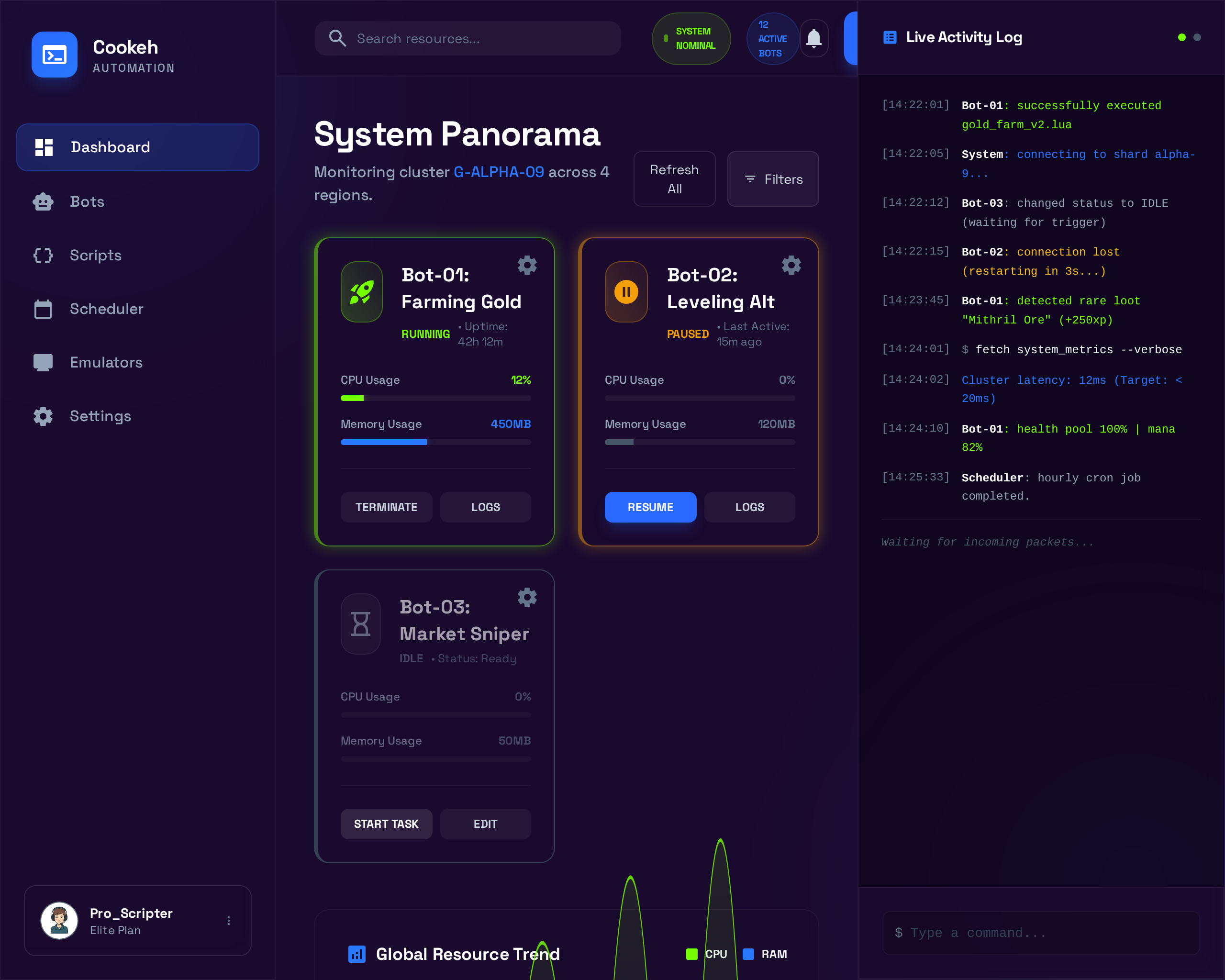
Cookeh Gaming Automation Platform
A Windows desktop application that emulates Android mobile games and automates in-game processes like resource farming a...